When the air stops moving in July and the house climbs past 85 degrees, minutes feel longer than hours. I have spent enough nights in overheated homes to know that the question isn’t academic. It is deeply physical: how fast can an emergency AC repair get your system back to cooling, and what variables actually control that timeline? The honest answer depends on the failure, the system design, the technician’s inventory, and a few steps you can take before anyone arrives.
What follows reflects how AC service typically unfolds in the field, where access to parts, the weather, and the age of your system shape outcomes just as much as skill. If you understand the moving pieces, you will be better at triage, better on the phone with an HVAC company, and much more likely to keep a same-day fix on track.
What “emergency” actually means
Emergency AC repair is not a marketing term to an experienced dispatcher. It signals a call that jumps the line because health and property are at risk. High indoor temperatures threaten infants, older adults, and people with certain conditions. In humid climates, prolonged downtime can lead to swelling wood floors and mildew. For restaurants, server rooms, or small clinics, a downed unit can halt operations. A good hvac company prioritizes these calls differently, often holding schedule blocks open during heat waves for exactly this reason.
Expect triage questions from the scheduler. They will ask about indoor temperature, system type, any odors, sounds, breaker trips, or water leaks. A clogged drain pan overflowing onto a ceiling can be as urgent as a no-cool situation. When you convey specifics clearly, the dispatcher can route the right technician with the right truck stock, which shaves hours off the timeline.
The anatomy of an emergency service timeline
From the first call to cold air, emergency ac repair tends to follow a pattern. The fastest, same-day fixes share common traits: simple faults, ready parts, easy access, and a technician who can diagnose quickly without chasing ghosts.
Travel time is the first variable. In a dense metro during peak heat, I have seen arrival times stretch to 3 hours even for priority calls. In a suburban area with distributed techs, you might get someone in 60 to 90 minutes. Weather spikes matter. When a heat index jumps above 100, call volume triples, and even the best ac repair services can only bend physics so far.
Diagnosis often takes 15 to 30 minutes for common faults. A trained technician starts with power, airflow, and the control circuit. I have seen folks fix a no-cool call in ten minutes by finding a tripped float switch from a clogged condensate line. I have also seen a similar no-cool turn into a two-hour puzzle ending in a failed defrost board on a heat pump. The difference is not luck. It is a combination of clean data, access to panels, and how long it takes to pull basic readings.
Repair time can be five minutes or five hours, depending on what broke. Swapping a capacitor or contactor is fast. Replacing an ECM blower motor in a tight attic while sweating through a drip pan can consume a morning. Charging a system after a refrigerant repair can add 30 to 90 minutes, since you evacuate, verify vacuum with a micron gauge, and dial in charge by subcool or superheat. Add extra time if the unit is on a roof or blocked behind a lattice with no access.
Parts availability is the make-or-break factor for same-day. Contractors stock common parts on trucks: dual capacitors, contactors, hard start kits, fan motors for popular tonnages, universal boards, fuses, 3/4-inch PVC, drain switches, and basic fittings. Once you edge into proprietary boards, variable-speed motors, communicating thermostats, or brand-specific expansion valves, you are at the mercy of the nearest supply house. If it’s after hours, you rely on an on-call counter employee and a contractor account in good standing. Some manufacturers restrict parts sales to authorized dealers, which can add a day.
What fails most often, and how long those fixes take
The same culprits show up on summer emergency tickets. Below are realistic timeframes that assume a capable tech, reasonable access, and straightforward conditions.
Capacitors and contactors fall into the “fast win” category. A failed run capacitor will stop a condenser fan or compressor from starting. The fan may hum, or you may see the blade move a few inches then stop. A good technician tests with a meter set for microfarads and can swap a dual capacitor in 10 to 20 minutes. Contactors burn or pit; replacement takes about the same. Truck stock almost always covers these. When a tech walks back to the van smiling, this is usually the reason.
Thermostat and low-voltage issues vary wildly. A dead display can be a failed thermostat, a blown fuse on the air handler board, or a float switch cutting the 24-volt circuit. Resetting the float switch and clearing a drain takes 20 to 40 minutes if the clog is mild. Rewiring a chewed thermostat cable in an attic can push beyond an hour. Communicating thermostats complicate the picture, since some require brand-specific replacements and configuration.
Drain clogs and float switches are a summer staple in humid areas. If the drain line is accessible, clearing with nitrogen or a pump and adding a cleanout often wraps in 30 to 45 minutes. If the primary pan rusted through and the secondary pan is full, hauling water and restoring safety can take longer. Molded slime that returns every month is a sign that the drain pitch or trap is wrong, and that fix requires more time than a quick emergency flush.
Outdoor fan motors and blower motors move air, and they fail from heat, bearing wear, or electrical stress. A standard PSC condenser fan motor swap is often a 45 to 90 minute job with a universal replacement and a separate capacitor. Proper rotation matters, as does blade set depth, so there is tinkering beyond the bolts. ECM or variable-speed indoor blower motors cost more time. You match module versions, set dips or programming, and calibrate airflow. Two hours is common, three if access fights you.
Refrigerant leaks and charge corrections split into diagnosis and repair. Topping off without leak finding is often fast, but it is also a bandage that leads to another emergency visit. Best practice is to locate the leak, which can be as simple as oil residue on a Schrader core or as tedious as chasing a tiny evaporator leak with electronic detection and soap bubbles. Swapping Schrader cores takes minutes. Repairing a line-set rub-out in a crawlspace might be 60 to 120 minutes including brazing, nitrogen purge, evacuation to below 500 microns, standing vacuum, and charge by manufacturer specs. If the leak is inside a coil, and the coil is under warranty but must be ordered, you are looking at temporary cooling strategies and a return visit.
Control boards and defrost boards are classic day-makers or day-breakers. If a universal board matches, a tech can land wires, set jumpers, and bring the system back in 60 to 90 minutes. If the board is proprietary, after-hours supply access becomes the clock. Some boards need firmware or brand pairing, which might require a dealer tool.
Compressors and evaporator coils are structural repairs. A hard start kit may revive a compressor that is struggling on start, buying time in a heat wave, but a locked rotor or grounded compressor means a major repair or replacement. Swapping a compressor on site is a multi-hour job best done during daylight at a minimum, and only makes sense when the system age, refrigerant type, and warranty status line up. For R-22 systems over a decade old, most owners choose replacement. Evaporator coil replacements run several hours, especially when the plenum and line-set connections are tight or corroded.
Duct and airflow problems rarely look urgent at first glance, but they can drive a no-cool condition. A collapsed flex duct, matted filter, or iced coil is common. If the evaporator is a block of ice, the only cure is to thaw. That alone can take 60 to 120 minutes with the system off and the blower running, sometimes longer for thick ice. A tech may stabilize the system, set it to fan only, and return later that day to complete diagnostics.
The after-hours effect
Emergency ac repair at 11 p.m. costs more and takes longer. Night dispatch includes fewer technicians, limited supply access, and safety constraints if a unit sits on a roof. Most hvac services keep an on-call rotation and carry a strong truck stock for emergencies, but when a part is not on the truck, the clock moves to the next morning. In my experience, after-hours calls resolve the same night about half the time, nearly always when the fault is electrical and common. Mechanical failures that require a brand-specific part tend to pause until 7 or 8 a.m., when supply houses open.
Price reflects this. Expect an emergency diagnostic fee above regular hours, with a premium for holidays. Good companies state these fees up front and offer options: stabilize now, return during business hours for the repair at standard rates, or proceed immediately if the part is on the truck.
What you can do before the tech arrives
Simple checks can shave an hour off a visit and sometimes restore cooling without a truck rolling. If you are comfortable doing so, you can quickly run through a few steps while waiting for ac repair services to arrive.
- Verify power and settings: make sure the thermostat is set to cool, the setpoint is below room temperature, and the fan is on auto. Check the furnace or air handler switch, any service disconnects, and the breaker panel for tripped breakers. If a breaker is tripped, reset once. If it trips again, stop and wait for the tech. Check the filter and airflow: a heavily clogged filter will freeze a coil and stop cooling. Replace the filter if it looks caked. If the coil is iced, set the system to fan only and open supply registers to accelerate thawing. Inspect the drain safety: look for a float switch in the drain line near the air handler. If the pan is full, power the system off to prevent overflow. If you have a wet/dry vac and an accessible outside drain termination, pulling a clog can restore operation temporarily. Listen and look outside: if the indoor blower runs but the outdoor unit is silent, note any humming, clicking, or brief starts. If the fan blade is spinning freely by hand but will not start, mention that to the dispatcher. Do not stick fingers through guards while powered. Note odors or smoke: a burned-electrical smell or smoke means cut power and wait. This information helps the hvac company prioritize and send the right tech.
These steps are not about doing the technician’s job. They are about giving them a head start and preventing damage while you wait.
The role of system age and design
Age skews timelines because older systems fail in clusters. A 15-year-old condenser with original contactor, capacitor, fan motor, and compressor is often one hard start away from revealing the next weak link. An emergency visit fixes the obvious fault, but the tech may caution you about likely near-term issues. That is not upselling. It is pattern recognition.
Design matters too. Communicating systems from certain brands speed troubleshooting through onboard diagnostics but slow repairs if parts are locked to the brand. Variable-speed compressors and electronically commutated motors provide comfort and efficiency but depend on modules that are not on every truck. A basic single-stage unit with standard components is the easiest to fix same-day, all else equal.
Install quality casts a long shadow. I have seen brand-new equipment throw false alarms because the thermostat cable was spliced in a damp attic without a junction box. I have traced recurring drain clogs to a flat trap that never stood a proper water seal, allowing attic heat to drive evaporation and slime. When an installation cuts corners, emergency calls multiply and take longer to resolve because the technician has to correct the root cause, not just the symptom.
Weather, workload, and supply chains
Summer heat creates predictable bottlenecks. Dispatch boards stack up, lines at supply counters stretch out the door by 8:30 a.m., and popular parts go out of stock by afternoon. The best hvac companies mitigate this by pre-stocking trucks before heat waves, double-checking van inventories, and staggering tech shifts for evening coverage. They also pre-order seasonal high-failure parts: dual 35/5 and 45/5 capacitors, 40-amp contactors, standard condenser fan motors, universal ECM replacements, and common control boards. Even so, a wave of 102-degree days will beat any plan.
Supply chain shocks still echo through the industry. Coils and proprietary electronics can take days. If your unit is under warranty, a dealer may secure a coil at no cost for the part, but shipping and lead times set the pace. During that gap, temporary cooling solutions become part of the conversation.
When a portable stopgap makes sense
Sometimes the fastest fix is not a fix. If a major component fails at 7 p.m. and the part is two days out, I recommend a temporary plan rather than a miserable night. A decent 10,000 to 14,000 BTU portable AC or a window unit can keep a bedroom at a livable 75 while the rest of the house runs hot. Fans and dehumidifiers help more than people expect. Dry air feels cooler at the same temperature, and moving air boosts evaporative cooling on skin. A small spend here preserves sleep and reduces heat stress during a delay.
Communicating with the technician
Good communication compresses time. Be ready with model and serial numbers from both indoor and outdoor units, thermostat brand and model, and any history of recent work. Tell the tech if the system has a home warranty contract, a manufacturer parts warranty, or if a previous company suspected a specific issue. Point them to all access points: attic, crawlspace, roof. Clear a path to the air handler and condenser. Put pets in a separate room.
When the diagnosis lands, ask about the risk of recurrence and the age context. It is reasonable to fix a capacitor on a 7-year-old unit and move on. It is also reasonable to have a frank conversation about replacement options if your system is pushing 15 years with a failed compressor. A seasoned technician will lay out costs and timelines without pressure.
What a reputable company does differently
After enough service calls, patterns emerge. The hvac services that earn repeat customers do simple things consistently. They answer the phone or return calls fast. They quote a diagnostic fee up front and explain after-hours pricing before rolling a truck. Their technicians wear a meter like a second skin and check static pressure and temperature splits instead of guessing. They stock vans like miniature supply houses and keep tidy inventories. When they do not know, they say so, call tech support, or escalate. When a fix is temporary, they say that too, and set clear expectations.
Less reputable operators over-promise arrival times, insist on whole-system replacements for simple faults, or suggest refrigerant “top-offs” without leak checks year after year. The quickest way to sense the difference is to listen for specifics. A pro will talk in numbers and conditions. They will explain why a 20-degree split is not a magic target in every case, or why an iced coil means stop and thaw before any readings are trustworthy.
Realistic timelines by repair type
Owners often ask for a bottom-line sense of time. While every home and system is different, these ranges reflect typical field results when parts are available:
- Electrical components like capacitors, contactors, fuses, and simple relays: 15 to 45 minutes for diagnosis and replacement, plus testing. Safety and drain issues: 30 to 60 minutes to clear clogs, reset float switches, and add a cleanout; longer if pans overflowed or drains need rework. Standard motors: 45 to 90 minutes for condenser fan motors and blades; 60 to 120 minutes for indoor blower motors, longer for ECM units. Refrigerant-side work: 60 to 180 minutes depending on leak location, brazing, evacuation, and charging. Core replacements are quick, coil leaks are not. Control boards and thermostats: 45 to 120 minutes depending on access and configuration, extended if proprietary parts must be sourced. Major components like compressors and evaporator coils: half a day to a full day for on-site replacement when parts are on hand. If parts are ordered, downtime depends on supply.
These are not promises. They are the center of the bell curve. Access, weather, and previous workmanship pull results to either side.
How to decide between repair and replacement under time pressure
Emergency calls compress decision-making. When your house is hot, the temptation is to authorize anything that nets cool air. That urgency is human. Still, a quick framework helps.
Look at age first. If the system is under ten years old, https://johnnyqhzx606.timeforchangecounselling.com/choosing-an-hvac-company-local-vs-national-providers repair is usually sensible. Between ten and fifteen years, evaluate component costs in context. Over fifteen, and especially on R-22 equipment, a major component failure often tips the scale to replacement.
Consider the total spend over the last two years. Multiple repairs on aging equipment predict more to come. If you have replaced a fan motor, a capacitor, a contactor, and now a coil, the next summer may bring a compressor. Paying emergency premiums repeatedly narrows the value of keeping old equipment alive.
Weigh parts lead times. If a proprietary part is a week out in a heat wave, a temporary cooling plan can carry you through a thoughtful replacement decision. Rushing into a new system without proper load calculation and duct assessment can lock in comfort problems for a decade.
Ask about warranties. Many hvac companies can register parts warranties that cut repair bills dramatically within the warranty window. A 10-year parts warranty with labor coverage from the installer changes math materially. If you bought a home with an unregistered system, some manufacturers allow late registration within a grace period.
Keeping future emergencies short
Not every emergency is avoidable, but many become shorter when the system is maintained. Professional maintenance buys time because the technician catches marginal parts before they fail on the hottest day. A weak capacitor reads low before it dies. A contactor pits before it welds shut. A float switch trips briefly before a pan overflows.
Smart maintenance is not a once-a-year sticker. It includes cleaning the outdoor coil with appropriate chemicals and water pressure, verifying refrigerant charge against manufacturer targets rather than rules of thumb, measuring static pressure to flag duct restrictions, and cleaning or replacing drain traps that do not hold a seal. It also means documenting readings so trends are visible year to year.
Homeowner habits help. Replace filters on time. Keep shrubs and grasses at least two feet away from the condenser for airflow. Avoid covering the outdoor unit with plastic in winter, which invites condensation and corrosion. If you remodel, involve your HVAC company early so return air, supplies, and load changes are addressed properly.
A short word on heat pumps and edge cases
Heat pumps introduce one nuance in summer: the defrost board that governs winter operation is still in the control path. A failing defrost board can cause summertime no-cool symptoms that mimic low charge or a bad contactor. Diagnosing this takes a bit longer because the tech must verify sensor values and board behavior. In shoulder seasons, miswired dual-fuel systems can lock out cooling when outdoor temperature sensors are reading incorrectly.
Edge cases show up in multifamily buildings where condenser units share roof space and drains tie into common lines. Access scheduling with building management can add delays. Older homes with fused disconnects or aluminum branch circuits require care and sometimes an electrician to bring power delivery up to safe standards. Commercial spaces add complexity with economizers and building automation systems. The timeline stretches when the HVAC technician has to coordinate controls with a third party.
What to ask when you call
A calm, specific request sets the tone. Ask if the company offers true emergency ac repair with prioritized scheduling. Ask for the diagnostic fee and any after-hours premium. Give your system model numbers and describe symptoms plainly: no indoor airflow, outdoor unit not running, breaker tripped, water in pan, ice on lines, or unusual sounds or smells. Mention any previous diagnoses, warranties, or brand-specific systems. Ask whether the tech’s truck typically carries common parts for your brand. These questions are not micromanagement. They help the dispatcher send the right person with the right kit.
The bottom line on speed
Same-day fixes are common when the fault is electrical or drainage-related and parts are on the truck. Many emergency calls end with cold air within 90 minutes of arrival. After hours, odds drop, and timelines stretch when proprietary parts or major components are involved. Preparation, clear communication, and a professional hvac company with well-stocked trucks do more to accelerate the process than anything else within your control.
Cooling feels like a binary state. Either you have it, or you do not. In practice, getting from hot back to comfortable is a chain of small, practical decisions handled under pressure. Pick a contractor who respects the clock, tells you the truth, and keeps you informed. The rest follows.
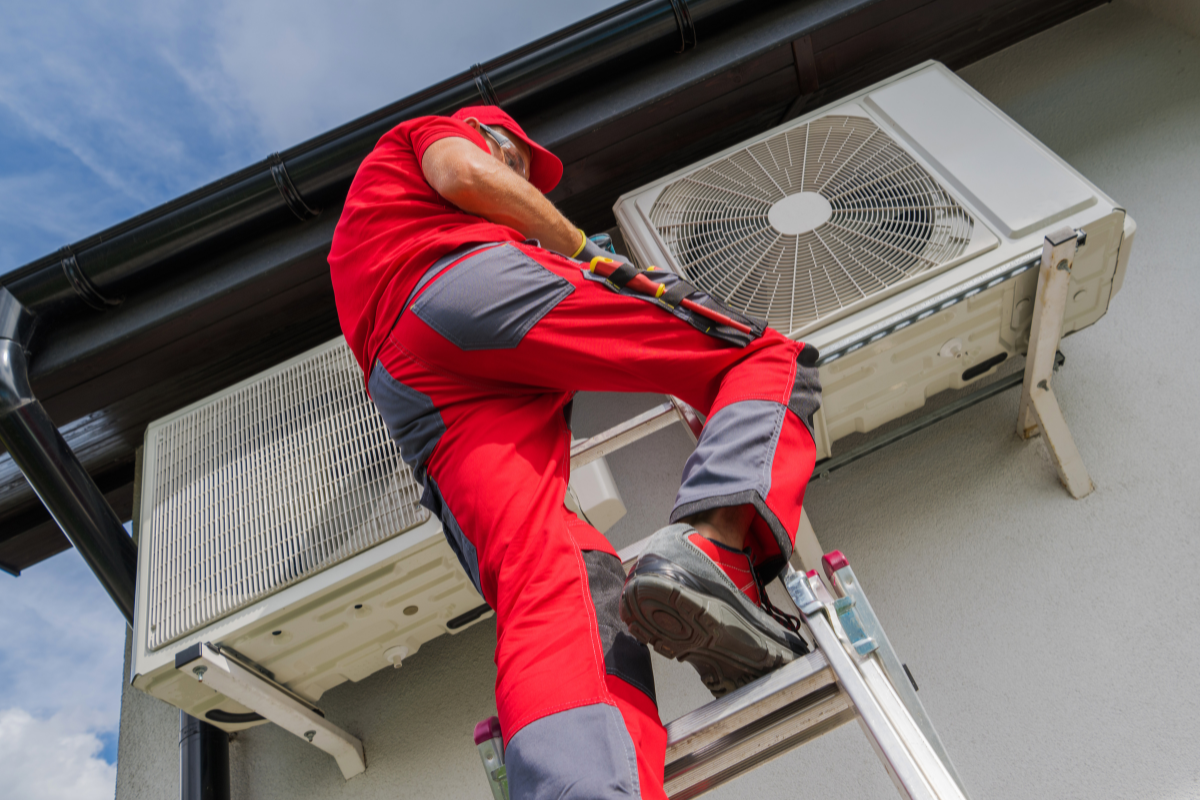
Prime HVAC Cleaners
Address: 3340 W Coleman Rd, Kansas City, MO 64111
Phone: (816) 323-0204
Website: https://cameronhubert846.wixsite.com/prime-hvac-cleaners